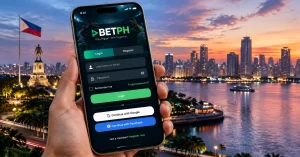
Online Poker Philippines | Poker Games & Mobile Play
Mobile Friendly Poker Games Fast Registration GCash Maya Philippines

Online Poker Philippines, built for quick table access

A clean poker category page for players who want fast navigation, clear game choices, and practical guidance. Explore popular variants, hand rankings, betting rounds, and formats without the clutter.

Use it as a starting point for Texas Hold'em, Omaha, tournament play, and mobile sessions that fit the pace of a busy night. Local payment habits matter too, so the page keeps GCash and Maya front of mind for easier account flow.


Poker overview for Filipino players

Online poker is a decision-based card game where players compete against each other, not the house, and every hand can change with position, betting patterns, and board texture.

Why poker stays popular

It mixes skill, timing, and pressure. A good table read can matter, but the cards still bring uncertainty to every session.

Who it suits

Beginners can start with straightforward Hold'em tables, while experienced players often look for deeper formats, softer fields, and better seat selection.

How the lobby helps

Clear labels make it easier to move between cash games, Sit & Go events, and larger tournaments without losing track of your plan.

Popular poker variants you may see

Availability depends on the current game lobby, but these formats are commonly featured across online poker rooms.

Poker chips and cards on a table

Texas Hold'em

The most familiar community-card format. Two hole cards, five shared cards, and plenty of room for position play, bluffing, and pot odds.

Omaha Hi-Lo

Split-pot action adds a different rhythm. Players often track both high and low possibilities before committing chips.

Seven Card Stud

A classic non-community-card game. It rewards memory, exposed-card awareness, and careful betting discipline.

Omaha Poker

Four hole cards create bigger draws and stronger made hands. It usually feels more volatile than Hold'em.

Short Deck Poker

A faster structure with a trimmed deck. Hand values can shift slightly, which keeps the action lively.

Video Poker

Useful for players who want a solo-style card experience with a fixed paytable and quick rounds.

Hand rankings, from strongest to weakest

  • Royal Flush: the top straight flush, A through 10 of the same suit.
  • Straight Flush: five consecutive cards in one suit.
  • Four of a Kind: four cards of the same rank.
  • Full House: three of one rank plus a pair.
  • Flush: five cards of the same suit.
  • Straight: five consecutive cards, mixed suits.
  • Three of a Kind: three cards of the same rank.
  • Two Pair: two separate pairs.
  • One Pair: a single pair.
  • High Card: no made hand, so the highest card matters.

Betting rounds in community-card poker

1

Pre-Flop

Players act after seeing their hole cards. Position starts to matter right away.

2

Flop

Three community cards appear. Draws, pairs, and board texture begin to shape the hand.

3

Turn

The fourth board card arrives. Pot sizes often grow faster here, especially in active pots.

4

River

The final community card lands. Decisions usually become sharper because all public information is on the table.

5

Showdown

Remaining hands are compared. The best five-card hand wins the pot.

Cash games and tournament formats

Different formats suit different schedules. Some are perfect for short breaks, while others reward longer focus and deeper stack management.

Cash Games

Best for flexible sessions. Buy in, leave when ready, and play at a pace that fits your time.

Sit & Go

Starts once the table fills. Good for players who like a shorter, structured session.

Multi-Table Tournaments

Field sizes can be large, so patience and stack control matter from the opening levels.

Freezeout Tournaments

One entry, no re-entry in many setups. That makes early mistakes more expensive.

Turbo Tournaments

Blinds rise quickly, so hands move faster and decisions get tighter.

Freeroll Events

Often used for practice or soft starts. They can be useful for learning structure without adding pressure.

Strategy guide for steadier results

Strong decisions help over the long run, but no line removes uncertainty from individual hands or sessions.

Starting hand selection

Play fewer weak hands from early position. Cleaner ranges reduce difficult post-flop spots.

Position awareness

Acting later gives you more information. That edge can shape value bets, folds, and lighter steals.

Pot odds and draws

Compare the cost of a call with the size of the pot. If the price is poor, folding is often the sharper move.

Bluffing basics

Bluffs work best when your story fits the board. Random pressure usually gets called too often.

Bankroll management

Set a stake level that leaves room for swings. That habit matters more than chasing a hot run.

Reading betting patterns

Look for sizing changes, timing, and repeated lines. Patterns do not tell the whole story, but they help.

Player insight: many regulars keep two session goals only: one for table selection and one for stop-loss. That keeps the night simple.

Promotions that may appear

Poker promotions are usually tied to selected tables, events, or qualifying play. Terms can change, so it is smart to check the lobby before joining.

Welcome Bonus Deposit Bonus Reload Bonus Cashback Tournament Tickets Loyalty Rewards

No values are listed here unless approved details are provided. That keeps the information accurate and easy to trust.

Poker promotion style visual with cards and chips

VIP-style play habits

Frequent players often watch for loyalty tiers, table access, and cashback-style offers that support longer sessions. Small edges add up when you play regularly.

Mobile poker on Android, iPhone, and tablet

A mobile-first lobby makes it easier to jump into a table during a commute, a break, or a quiet night at home.

  • Portrait mode for quick checks and simple navigation.
  • Landscape mode for wider tables and easier card reading.
  • Touch controls that suit one-handed browsing.
  • Browser play for users who prefer not to install extra apps.
  • Multi-table support for players who like to keep more than one spot open.
  • Stable connections matter most during betting rounds and late-stage tournament play.
Tablet display showing poker lobby navigation

Built for faster table checks

The layout keeps labels readable and buttons close together, which helps when you want to move from a lobby view to a seat without extra scrolling.

Variant comparison at a glance

A quick table helps you compare pace, difficulty, and the type of player each format tends to suit.

Poker Variant Difficulty Skill Level Typical Pace Best For
Texas Hold'em Moderate Beginner to advanced Balanced Most players learning core poker
Omaha Higher Intermediate to advanced Fast Players who like bigger draws and action
Seven Card Stud Moderate Intermediate Slower Careful readers and pattern watchers
Short Deck Poker Moderate to high Intermediate Quick Players who enjoy lively board changes
Video Poker Lower to moderate Beginner friendly Very quick Short sessions and simple decision trees

Responsible gaming matters

Poker should stay within your budget and your schedule. Keep the session fun, clear, and under control.

  • Set a spending limit before you start.
  • Decide on a time limit and take breaks.
  • Move up only after you understand the format.
  • Stop when emotions start to drive decisions.
  • Seek support if play stops feeling manageable.
Poker chips beside a phone used for mobile poker

Privacy and payment habits

Players often look for simple local payment flow, stronger privacy handling, and clear account steps. That is especially useful when you prefer not to rely on international transfers.

Frequently asked questions

Short answers for quick checks before you pick a table or open a tournament lobby.

What is online poker?

It is a card game played against other players through an online lobby, with betting rounds and hand rankings deciding the winner of each pot.

Which poker variant is easiest for beginners?

Texas Hold'em is usually the easiest place to start because the rules are widely known and the board structure is easy to follow.

How do poker hand rankings work?

Hands are ranked from Royal Flush down to High Card. The strongest five-card hand at showdown wins the pot.

What are betting rounds?

They are the stages where players can check, bet, call, raise, or fold. In Hold'em, those rounds are pre-flop, flop, turn, and river.

Can I play poker on mobile?

Yes. Many players use Android phones, iPhones, tablets, or browser play for short sessions and fast table access.

What is the difference between cash games and tournaments?

Cash games let you join and leave freely with chips tied to real stake values, while tournaments use fixed entries and continue until one player wins the event.

Are poker bonuses available?

Some poker lobbies may feature welcome offers, reload deals, cashback, or ticket rewards. Availability depends on the current promotion rules.

How important is bankroll management?

Very important. It helps you stay within a comfortable stake range and reduces the chance of chasing losses after a rough run.

Is bluffing always necessary?

No. Good value betting and solid hand selection matter more than forcing bluffs in every session.

How should beginners improve?

Start with one format, review hands after each session, learn position, and keep the stakes low until your decisions feel steady.

Ready to explore the poker lobby?

Open the category, check the current table mix, and move into a format that matches your pace. If you want to register first, the account flow is just a tap away.